Dry Cracked Skin On Feet
- How To Get Rid Of Dry Cracked Skin On Feet
- Dry Cracked Skin On Child's Feet
- Extremely Dry Cracked Skin On Feet
- Dry Chapped Skin On Feet
- Dry Cracked Skin On Feet Treatment
- Treatment For Dry Cracked Skin On Feet
Compared to the skin covering the rest of our body, the skin on our feet is normally drier. This is because it lacks the sebaceous glands or oil glands that can keep it moisturized.
To compensate for this, the skin on our feet relies on the sweat glands to at least prevent it from becoming extremely dry. However, there are conditions wherein the skin on feet becomes severely dry it becomes cracked [1].
Causes
If you would rather try other ways to manage the symptoms of your cracked heels and dry feet, you can simply visit the skin care aisle and grab a hydrating cream or lotion with shea butter or aloe. To apply this cream, first, wash your feet with warm water and using a pumice stone or a foot file, slough off the dry dead skin from your cracked heels. Now apply the homemade honey foot cream to your feet and leave for at least 40-45 minutes. If required wrap it up with a clean cloth, bandage or gauze. Wash off with warm water.
How To Get Rid Of Dry Cracked Skin On Feet
- Prolonged standing, walking, or running
- Excessive physical activity that involves frequent movement of the feet
- Back-open shoes that provide no protection to the sides of the feet
- Improper foot care and hygiene
- Obesity gives extra bearing to the already exhausted feet.
- Prolonged water exposure removes the moisture off of your feet.
- Soaps and cosmetic products containing harsh chemicals cause dryness and leave irritating substances on the skin. You think they help but it is actually the opposite. Gentle mild products are still better.
- Dry skin is one of the signs of aging. As we age, the outermost layer of the skin called stratum corneum gets thicker, resulting to lessened skin cell turnover. Moreover, fats that serve as a cushion to our toes and heels become thinner, decreasing its protective purpose.
- Deficiency of vitamin A, vitamin E, and essential fatty acids [omega-3, alpha-linolenic acid (ALA), and gamma-linolenic acid (GLA)] contributes to unhealthy skin.
Medical Conditions:
- Diabetes involves poor wound healing. Moreover, high levels of blood glucose increase the
number of microorganisms, making the infection more difficult to cure. - Athelete’s Foot (Tinea Pedis) is the most common fungal skin infection. The fungi cause your toes to feel burning and itching sensations. Physically, these fungi deprive your feet of the nutrients that they need to be kept healthy, causing them to dry and crack.
Check for more information on :
itchy legs – causes and treatment
toenail fungus causes and treatment
- In Atopic Dermatitis (Eczema), Psoriasis, and other skin diseases, dry cracked skin is an inherent characteristic.
- Thyroid – Disease, in this case Hypothyroidism, contributes to skin dryness and cracking because depressed function of the thyroid gland leads to slow blood circulation. As a result, there are decreased nutrients and fatty acids that reach your feet. Additionally, the skin glands are also deprived of secretions needed to keep your skin hydrated.
- Neuropathy, also connected with diabetes, is also called nerve damage. One good thing about pain is that it is protective. It tells you that your body is in danger. When you feel it, you find measures on how to avoid it and prevent it from doing further damage. In the case of neuropathy, you cannot feel the pain. When your feet are dried and cracked, you will not notice it until you see it. This might be dangerous because by the time that you notice it, it may be too late especially if the damage is already deep it has already caused severe wound infection. This is not good news to diabetics [2, 3, 4, 5, 6].
Signs and Symptoms
- Skin tightness
- Skin dehydration
- Shrunken skin
- Itchiness
- Appearance of fine lines
- Formation of flakes
- Scaling
- Peeling
- Redness
- Bleeding fissures [7]
Home Remedies for Dry, Cracked Skin on Feet
- One of the simple and best cures for dried cracked feet is to use moisturizers after taking a bath in order to lock in the moisture. If your feet are extremely dry, you may use oil to decrease water evaporation from your skin. To prevent cracking, you may use creams to soften your skin and prevent forming fissures. Diabetics, however,
should watch out in using cosmetics because moisture on enclosed areas (i.e. toes) might lead to infection. - Epsom salt promotes circulation to your feet. Its magnesium content removes toxins, promoting healthier skin. Put one half cup of Epsom salt into a lukewarm water. Soak your feet for 10 minutes. Rub the affected area with pumice stone. Put it back into the water for another 10 minutes. Pat it dry then apply petroleum jelly. Do this for two to three days.
- Lemon juice is a weak acid tolerable by the skin if soaked into it. It softens the dry and rough skin so that the affected area is easily scrubbed off when used with a foot brush or loofah. You may also want to try combining juice from a whole lemon with one teaspoon of Vaseline. Apply all of the mixture to the cracked areas. Cover your feet with wool stocks to preserve the moisturizing effect and prevent your bed sheets from staining. Do this every night before you go to sleep.
- Pour a cup of apple cider vinegar into a gallon of warm water. This makes a disinfectant wherein you can use to soak your feet for 10 to 15 minutes. It is also said that this is relaxing for tired feet. Moisturize with lanolin products after gently patting it dry with a clean soft cloth.
- You can also use apple cider vinegar to create a homemade foot scrub. Mix a few tablespoons of apple cider vinegar or honey, a handful of rice flour, and one tablespoon of olive oil. This makes a thick paste which you can use to massage your feet. Rinse with warm water. Do this once or twice a week.
- After taking a night bath, apply vegetable oil on the affected areas. Cover your feet with clean socks. Do this every night before going to bed. Another natural treatment for dried cracked feet is the coconut oil. Coconut oil has antimicrobial and antifungal properties, not to mention its moisturizing effects. Simply apply it to cracked areas of your feet and cover with socks.
- To create a homemade moisturizing cream for your cracked heels and toes, shake a combination of one tablespoon of olive oil and a few drops of lavender or lemon oil until thick and milky. Use whenever necessary.
- You can use an overripe banana to get rid of your dry, cracked skin on feet. Put an overripe banana and a half of avocado (optional) into a blender. This makes a homemade remedy that you can leave on the cracked feet for 15-20 minutes. Alternately wash it with lukewarm and cold water. Do this everyday.
- Combine one cup of ground oatmeal, one half cup of all-purpose flour, one-fourth cup of honey, and one-fourth cup of olive oil. Before applying the paste, soak your feet first in warm water. Leave the paste into the cracked areas of the feet for 30 minutes then wash it off with lukewarm water. Apply foot cream or moisturizer thereafter. Do this few times a week.
- Mix a tablespoon of powdered oatmeal and few drops of jojoba oil. This makes a homemade treatment which you can leave on for 30 minutes. Wash with cold water thereafter. Mentholated rub may help. It is also effective in healing toenail fungi. Wrap your foot with wet dressings every night. You may use clean wet socks covered by dry socks. This is done only in the absence of infection. Moisture attracts more microorganisms that could make the infection worse than it already is [1, 2, 8].
When to Consult a Doctor
Many might believe that they should consult a dermatologist when it comes to this matter but in fact, it is better to consult a podiatrist since they are the foot experts. Seek consultation if you have the following:
- If wounds, ulcers, or infections develop from the affected area
- If the affected area is expanding and continues to spread
- If there is a presence of other skin diseases
- If the condition is persistent despite of home treatment
- If the condition wakes you up at night and keeps you from sleeping well
- If the condition interferes with your activities of daily living [7]
How to get rid of Dry, Cracked Skin on Feet
abbyy for mac free download Treat the underlying medical condition.
- Hydrocortisone cream can be used for severe skin itchiness and inflammation.
- Humectants (with alpha-hydroxy acid) such as glycerin and lactic acid promote moisturization and exfoliation (slaughing off of skin to replace it with newer skin cells).
- Emollients such as lanolin, urea, and silicon oils keep your skin from becoming severely dry by becoming a moisture barrier [2, 3].
Prevention
- Hydrate yourself with plenty of water.
- Avoid staying in very hot or very cold weathers.
- Avoid steam baths and saunas.
- Avoid harsh soaps that could cause dryness of the skin. Simply use gentle soaps with moisturizers.
- Wear socks that are non-irritating to the skin, i.e. cotton.
- Wear comfortable shoes. Let your feet breathe. Never allow excessive sweating for your feet.
- Use a room humidifier if you stay in a place with low humidity. A hot, dry environment robs your skin of the proper moisture that it needs. Humidity prevents itchiness and flaking of your skin.
- Avoid caffeine and alcohol which are thought to worsen the itchy sensation.
- Foods rich in omega-3, ALA, and GLA include halibut, salmon, sardines, and walnuts. Oils of safflower, flaxseed, canola, baroage, and evening primrose are also rich in these essential fatty acids. All of these help to lock in the moisture into your skin.
- Foods rich in vitamins A and E such as carrots, kale, olive oil, anchovies, and almonds keep your skin healthy [1, 2, 3, 7].
References:
- http://www.footvitals.com/skin/dry-feet.html
- http://www.wikihow.com/Heal-Cracked-Skin
- http://foothealth.about.com/od/beautifulfeet/a/Dryskin.htm
- http://www.diabetes.org/living-with-diabetes/complications/foot-complications/
- http://www.webmd.com/skin-problems-and-treatments/tc/athletes-foot-topic-overview
- http://www.lowthyroiddiet.com/low-thyroid-symptoms.htm
- http://www.drscholls.ca/en/foot-health-center/rough-dry-cracked-skin
- http://www.top10homeremedies.com/how-to/how-to-heal-cracked-feet.html/3
Related posts:
Published by Dr. Raj MD under Skin and Hair.
Article was last reviewed on August 6th, 2018.
If you think dry feet are not a big deal you must have a look at the weighty scientific word for it ‘Keratoderma plantare sulcatum’ to give it weightage phonetically first. Dry feet is a not just a cosmetic issue as our foot is more of a complex musculoskeletal system that takes the weight of the whole body. This simply means that they are lacking moisture to remain naturally soft, supple and healthy.
An unhealthy foot may not only lead to dry skin but create problems like hip and back pain. Dry feet often lead to painful fissures (deep cracks formed due to dryness in the feet) that bleed quite often. Skin on the feet does not have oil glands, making the body completely dependent on the sweat glands. This makes it more necessary for us to take care of our feet as it might just not look bad while wearing our favorite sandals but also affect our body largely.
Looking into the scientific backdrop of dry skin
The medical term for extremely dry skin is Dermatitis. Irritant contact, atopic, seborrheic and allergic contacts are the different types of dermatitis. /morrowind-elder-scrollls-3-iso-download.html. When our skin reacts to the touch of something that causes inflammation, it develops contact dermatitis. When the skin is exposed to a chemical agent that causes irritation, irritant contact dermatitis occurs. Seborrheic dermatitis is common in infants and occurs as a reaction to too much usage of oils, resulting in a red and scaly rash usually occurring on the scalp of the body.
Allergic contact dermatitis occurs with the contact of the element your skin is allergic to. Eczema also known as atopic dermatitis is a chronic skin problem that leads to dry scaly patches to appear on the skin. Allergic eczema is a type of rash which is formed when the body comes into contact with an element that the body is allergic to. It often occurs much later than the exposure to the substance that initiated the allergic reaction.
The elements that can cause this allergy are nickel that is generally found in belt buckles, jewellery and buttons made of metal in jeans. Cosmetics such as perfumes, hair dye, soaps and cleaning products also contain this element. Clothing dyes, latex and poison ivy are amongst the others. Neomycin is found in antibiotic creams and ointments that might cause allergy to the skin at some point.
Allergic eczema is formed also when the skin goes through the exposure to the sunlight and its chemicals. An allergic reaction may arise while spending all day in the sun. This would need immediate attention of your doctor to recommend medicines that would suit your skin type.
What causes dry skin on feet?
These cracks commonly develop on the heels while dry feet can take place on any part of the foot due to reasons like neurological disorders, usage of hard soaps, unsuitable shoes for the skin and prolonged standing on hard floors
- The sweat glands of the feet are destroyed due to years of prolonged standing and being excessively overweight as it causes additional pressure on the feet.
- Too much of hot showers, hot baths or foot baths can lead to dry feet as exposure to hot water leads to breaking down of the natural skin barriers allowing moisture to escape resulting to excessive dry skin on feet.
- Medical patients of Diabetics and hypothyroidism have less sweating, increasing dryness of the skin. Diabetic’s patients experience damage in the nerves of the feet. Dry skin makes its way due to uncontrolled blood sugar. The natural moisture of the skin is affected with poor blood supply and gives rise to complications in the body.
- Dry climate leads to dry skin as it removes the moisture in the skin like in the winter season you might face the maximum skin problems.
- Skin problems with atopic and psoriasis lead in developing dry and rough patches affecting the skin.
- Swimming in chlorinated pools harms the natural moisture of the body.
- Hormonal imbalances due to aging increases dry skin as it loses the elasticity and lipids in process like menopause.
Dry Cracked Skin On Child's Feet
Following are the two pictures of dry skin on feet:
Extremely Dry Cracked Skin On Feet
Close up photo of a person with dry skin on heel
Further complications
In the beginning people suffering from dry feet accommodate the mild suffering without bothering for its treatment but it is essential to know the complications it might lead to. With time the cracks around the heels may increase that can be so painful that walking would turn difficult. The limitation on the ability of the feet may lead to a change in your job. Skin conditions such as psoriasis or dermatitis may increase from severely dry skin on feet. Itchiness and skin burns will affect on a daily basis. On the worst scenario expensive treatment can be needed if counter medications stop working.
Symptoms
The additional symptoms that follow along with dry skin are itchiness, cracks in the feet or fissures, redness, flaky skin, rough skin, peeling skin and rashes.
Dry Chapped Skin On Feet
Home remedies for dry skin on feet
Dry Cracked Skin On Feet Treatment
If you are looking for some easy ways on how to get rid of dry skin on feet, note that padded shoes can prevent from dry feet and cracks. Medicines like antihistamines or diuretics can control the dryness of the feet. There are some simple techniques to keep away fissures or dry skin that can be tried at our homes itself. If these fail, visiting a physician would be recommended.
Treatment For Dry Cracked Skin On Feet
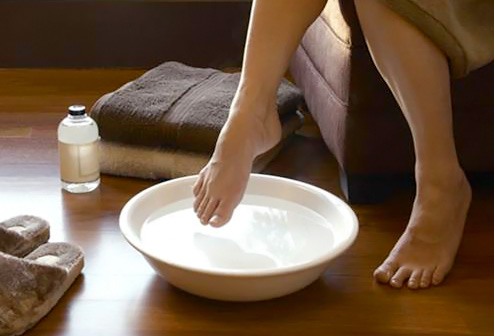
- Scrubbing cracked feet helps in loosening the hard and dead cells yielding healing results. Soaking your feet in warm soapy water (not more than 15 minutes as too much of hot water is harmful as already mentioned earlier) will soften the skin before scrubbing.
- Regular moisturizing with oil based moisturizer or foot cream before bed can act effectively. Thick creams like Eucerin and Cetaphil are suggested for usage. Wear clean cotton socks after this procedure overnight. Coconut oil (antifungal and antimicrobial) can also be used as it helps to moisturize as well as removes bacterial infections and fungal.
- You can also apply a mixture of glycerin and lemon juice on your feet for 20 minutes and wash it off after that with water. Rose water can also be added.
- Dry skin on feet removal techniques involve Paraffin wax that works as a natural soothing element to heal dry skin by retaining the natural oils on the skin. To have the most effective use you must add mustard or coconut oil (equal amount of the wax) after heating the paraffin wax in a microwave. This thick creamy paste must be applied on the cracks. Wear socks for the night and wash the feet properly in the morning.
- Epsom helps in circulation and its magnesium content removes toxins, developing the skin health.
- It is important to stay hydrated. Drink at least 8 glasses of water per day and avoid alcohol and caffeine as these increases itchiness of your dry feet.
- Shoes with air pockets or breathing space are recommended to keep your feet healthy as it helps to retain the moisture and prevents it from drying out quickly. It is also recommended to change shoes instead of wearing the same regularly day in and out. Avoid wearing heavy boots indoors even during the winter instead change into breathable and lighter ones.
- Using harsh soaps is prohibited as it acts as an instrument to your dry skin. They deplete the fats of the skin and leave it tight and dry. According to the dermatologists soaps with high glycerin content are the best to keep the skin moisturized and healthy.
- Apply petroleum jelly regularly before going to bed and wear cotton socks overnight instead of wondering on how to treat dry skin on feet.
- Honey exfoliates the dead skin, ensuring the protection of the moisture in the skin cells and helps in softening the skin. Apply a mixture made of 1-2 tablespoons of raw honey, 1 tablespoon of olive oil and rice flour and apple cider vinegar over your feet. Keep it for 15 minutes and wash it off well with water. Do not forget to apply moisturizer after this process.
- Sea salt’s harshness removes the dead skin and helps in moisturizing the skin. Lavender oil, olive oil or sweet almond oil can enrich the process. Combine sea salt and sugar in raw milk after soaking your feet in lukewarm water for 30 minutes. After this scrub your feet well to remove the mixture and wash it off with water. Do not forget the moisturizing cream after this!
- Over ripe bananas (quite unfit for human consumption) help in removing dry skin on feet. Create a paste by blending over ripe bananas and apply it all over your feet. Wash the paste off with water after 20 minutes. This cures dry and cracked feet.
- Apply vegetable oil (sounds gross maybe, but is largely effective) on the cracks for healing dry skin.